


Ride longer and with more confidence with Bauerfeind’s medical-grade braces and compression wear. Designed to enhance joint stability and reduce pain, our snowboarding supports feature targeted compression and breathable, lightweight, moisture-wicking materials to help you feel your best on the slopes.
Knee Braces for Snowboarding
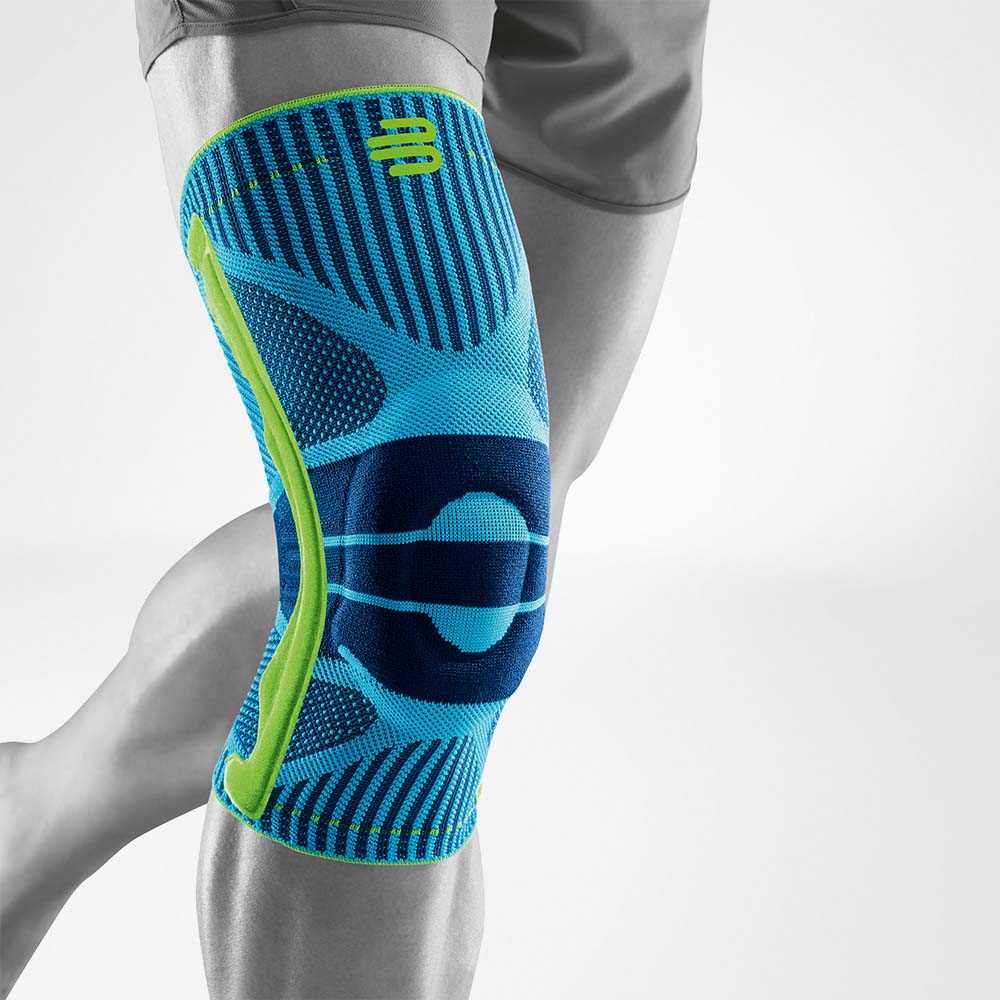

GenuTrain S - Hinged Knee Brace
Advanced stability for the knee during intense activity

Shoulder & Wrist Braces for Snowboarding
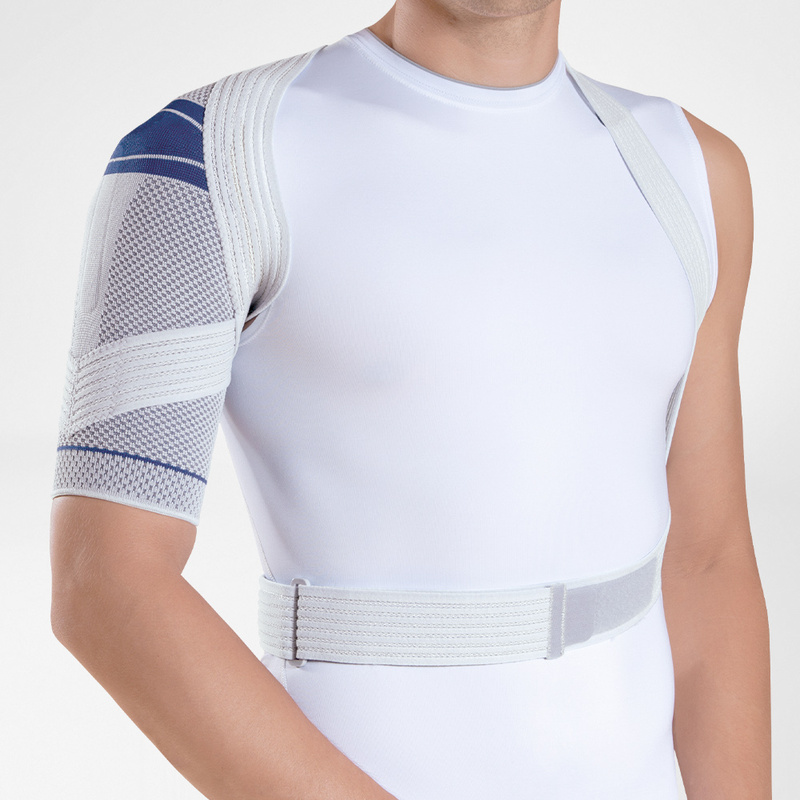
OmoTrain - Shoulder Brace
Guides and centers the shoulder joint for controlled movement
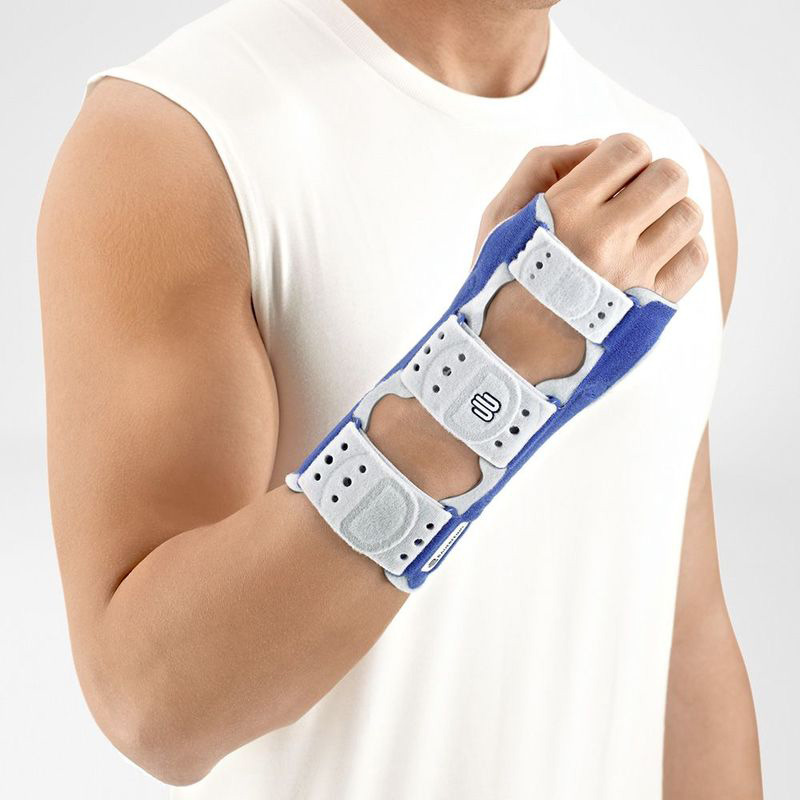
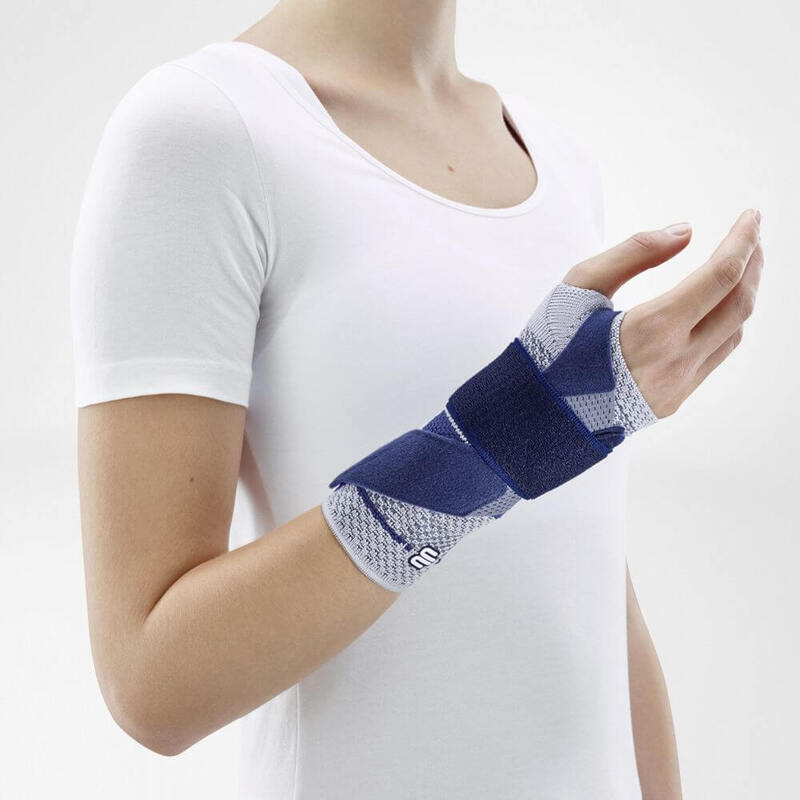
ManuLoc - Wrist Support Splint
Immobilizes the wrist in a neutral position and allows gripping
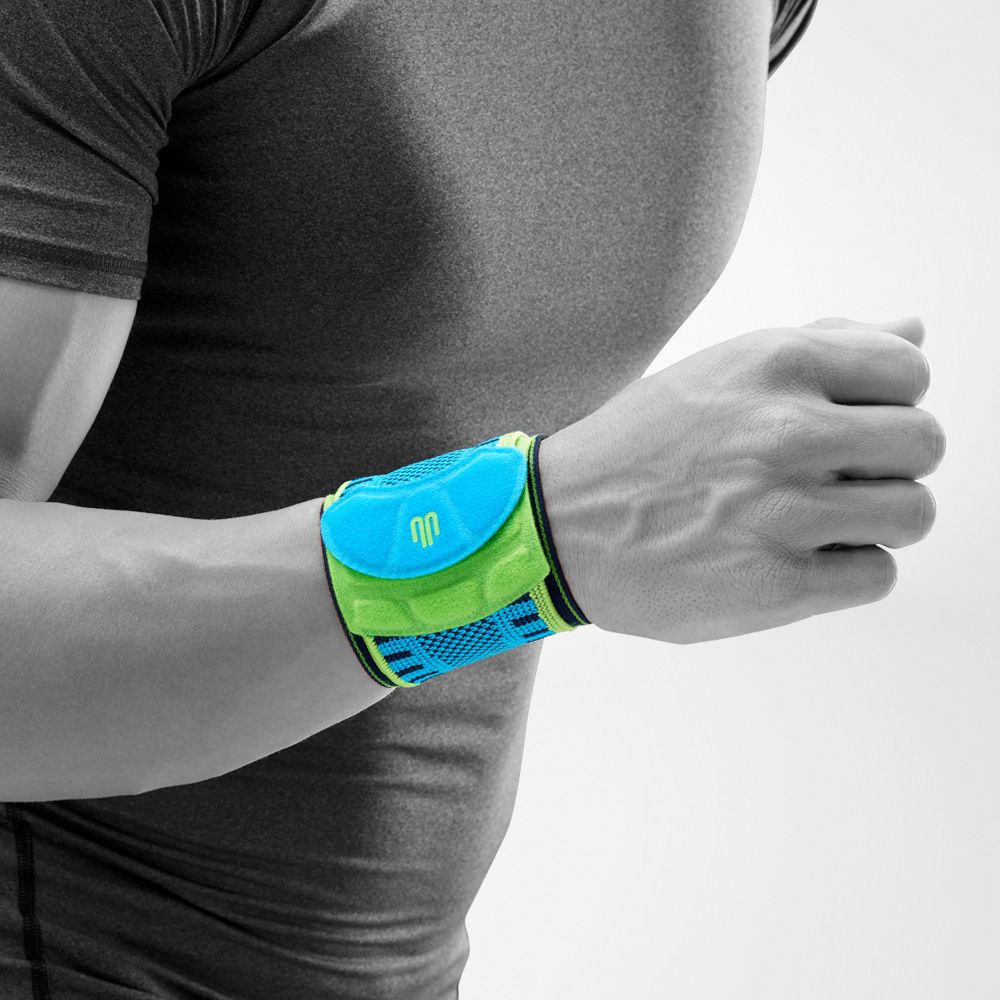
Sports Wrist Strap
Supports the wrist using a low-profile design and targeted compression
Ankle Braces for Snowboarding
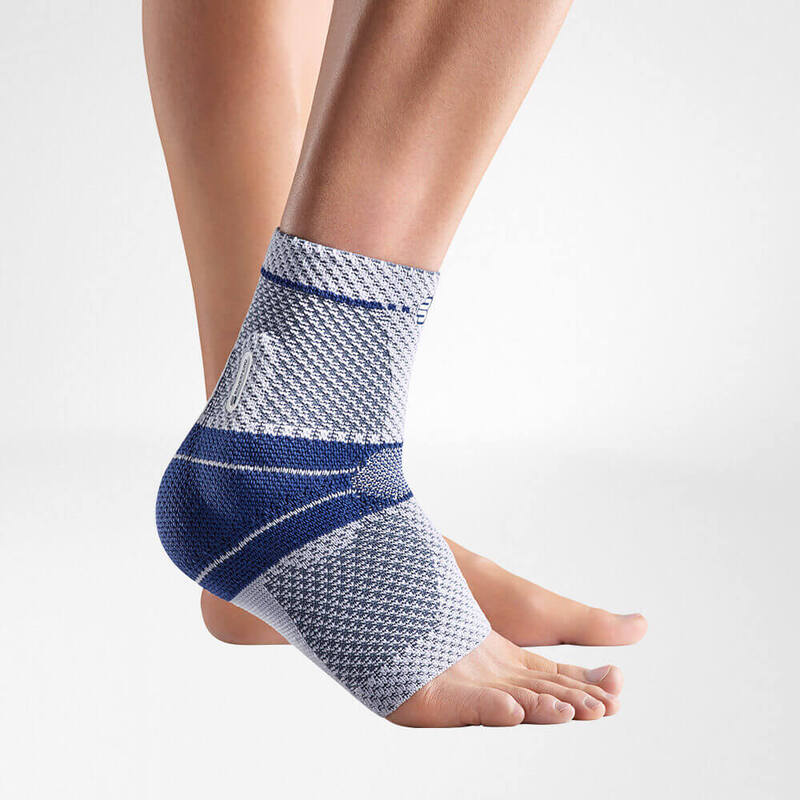
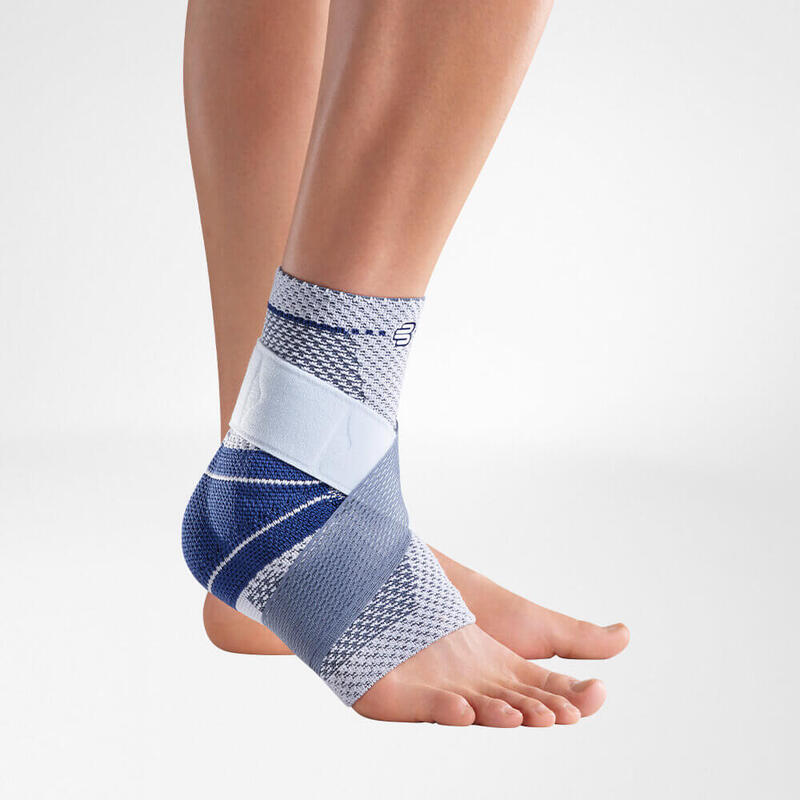
MalleoTrain Plus - Ankle Brace
Enhanced relief with compression knit fabric and strap system
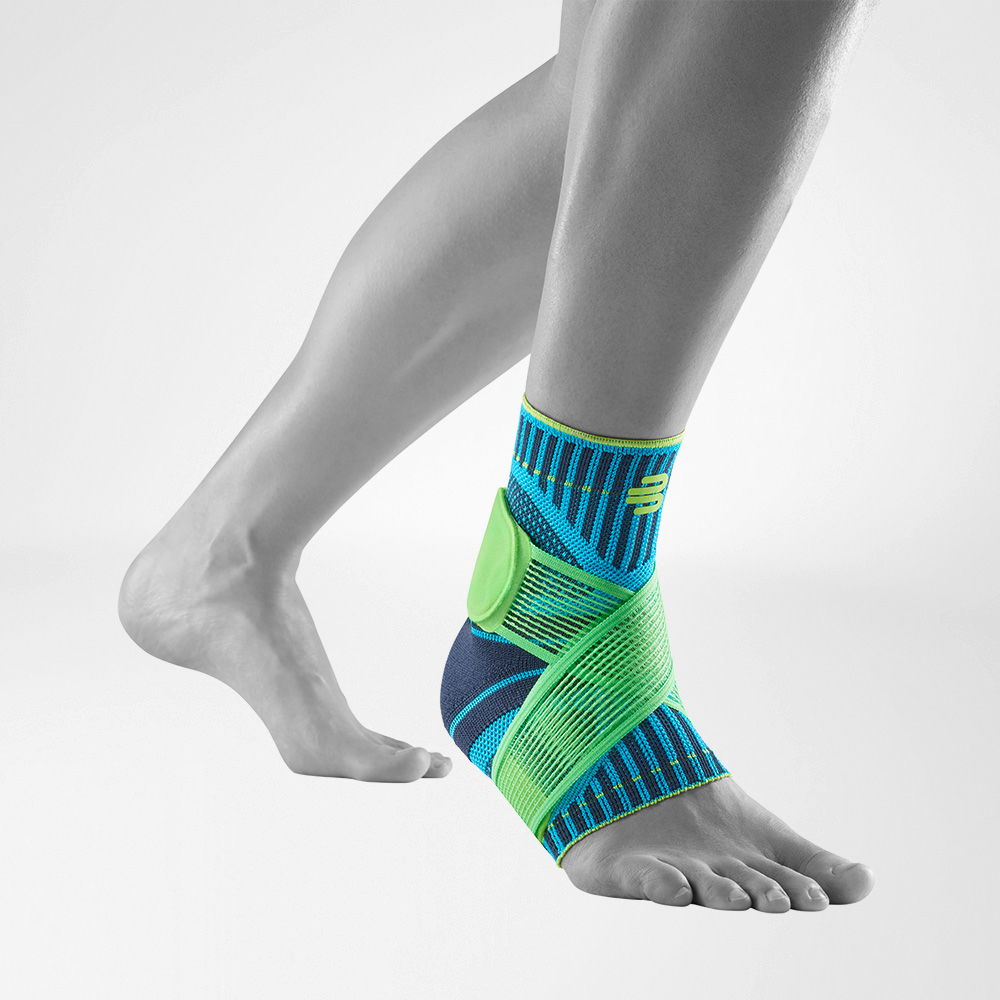
Sports Ankle Support
Athletic ankle support featuring an adjustable figure-8 strap system

Outdoor Compression Ankle Support
Merino wool and low-profile design for premium comfort
Compression Wear for Snowboarding

Sports Compression Shirt Short-Sleeve Men
Men’s ski base layer combining targeted compression and breathable knit

Sports Compression Shirt Short-Sleeve Women
Women’s ski base layer combining targeted compression and breathable knit

Sports Compression Shirt Long-Sleeve Men
Performance-focused men’s base layer designed with muscle-specific compression

Sports Compression Shirt Long-Sleeve Women
Performance-focused women’s base layer designed with muscle-specific compression

Outdoor Compression Elbow Support
Compression knit with Merino wool relieves elbow pain and swelling
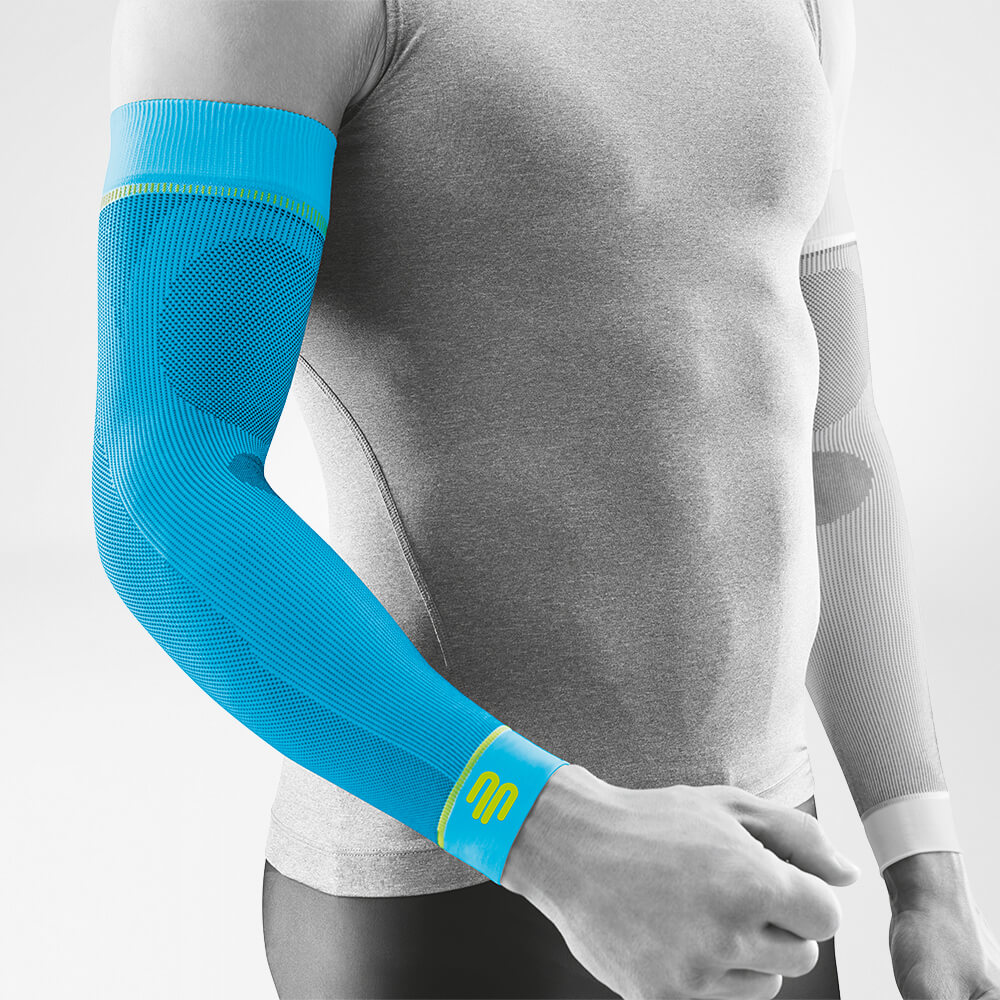
Sports Compression Arm Sleeves
Targeted compression enhances circulation and reduces fatigue
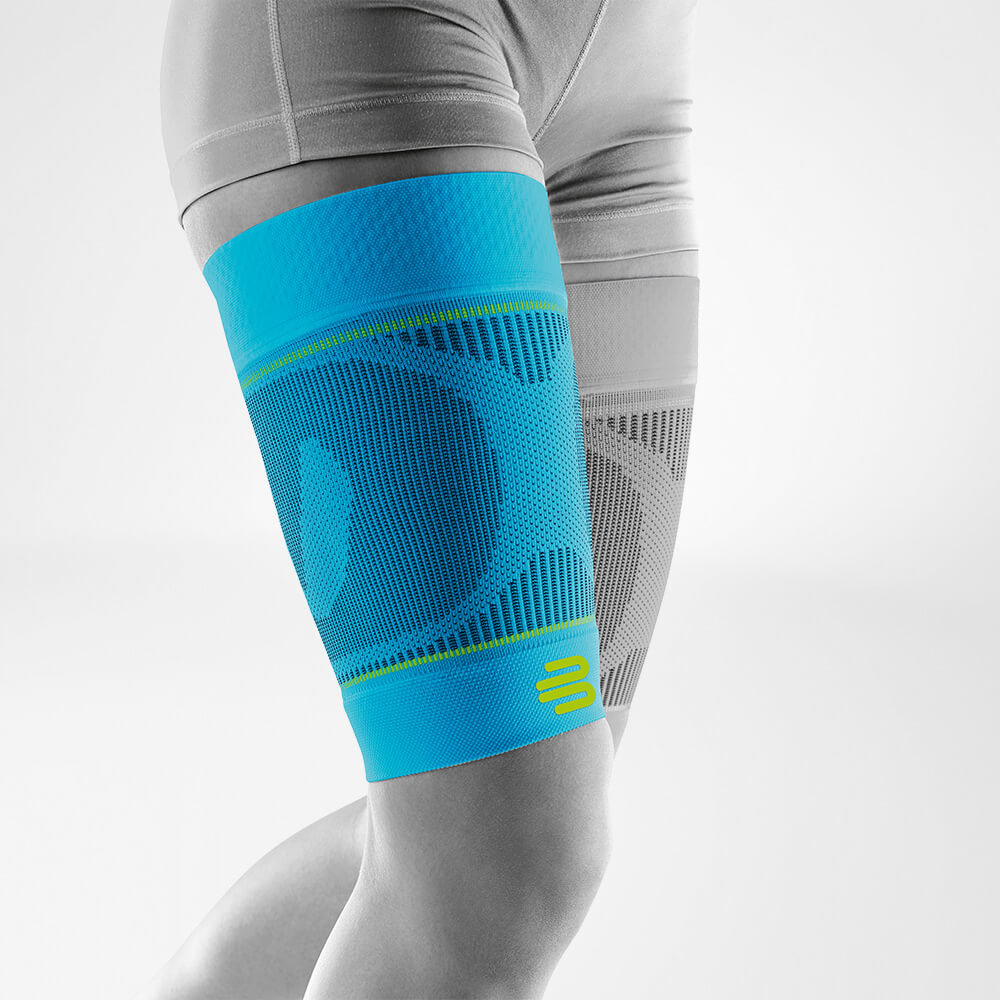
Sports Compression Upper Leg Sleeves
Helps relieve pulled or tight hamstrings as well as sore legs
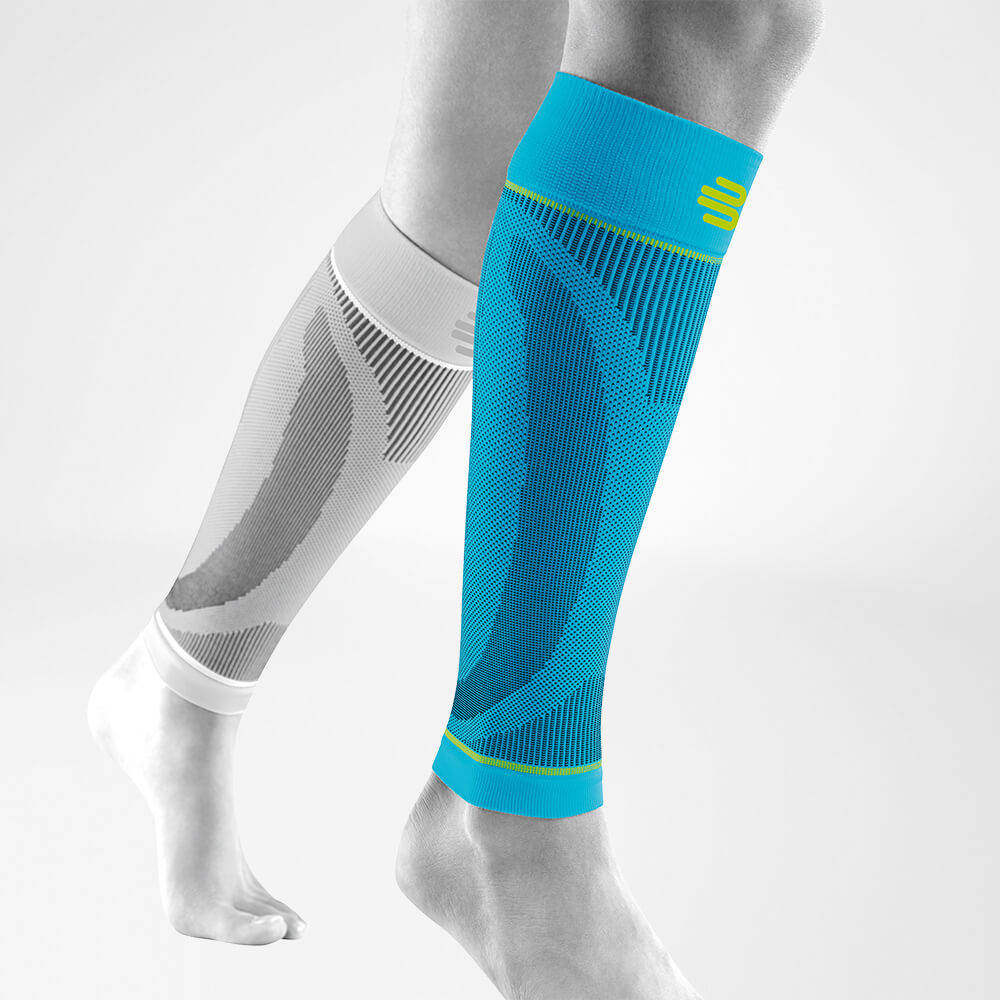
Sports Compression Lower Leg Sleeves
Muscle-specific compression improves performance and endurance
Back Braces for Snowboarding
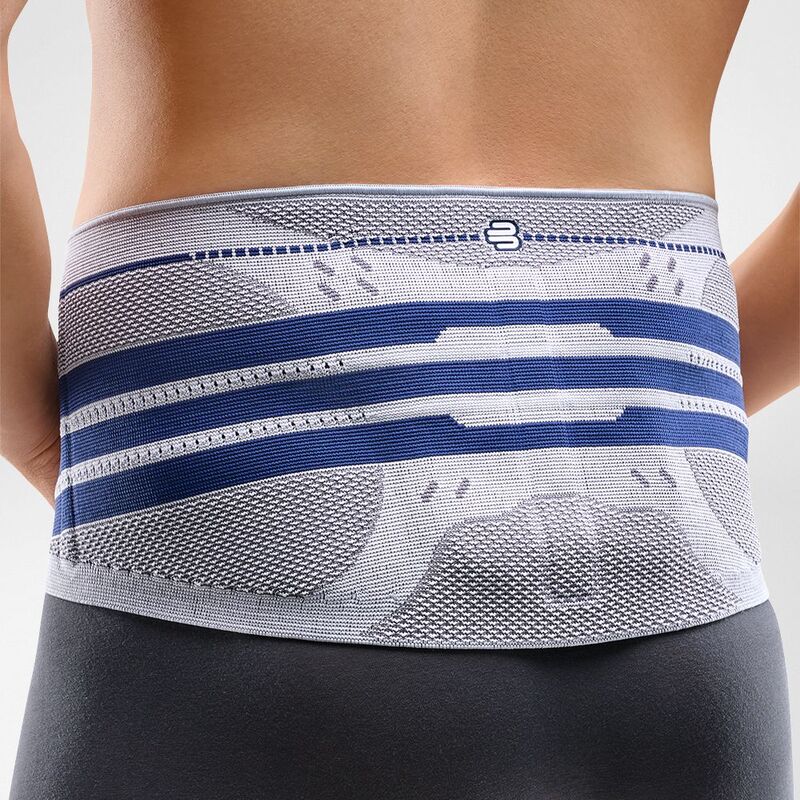
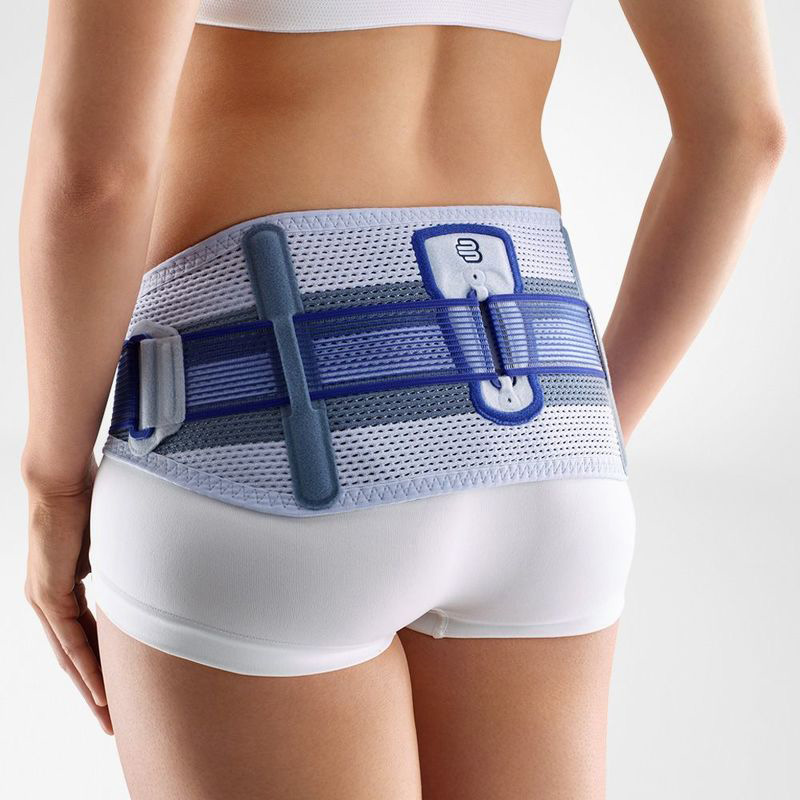
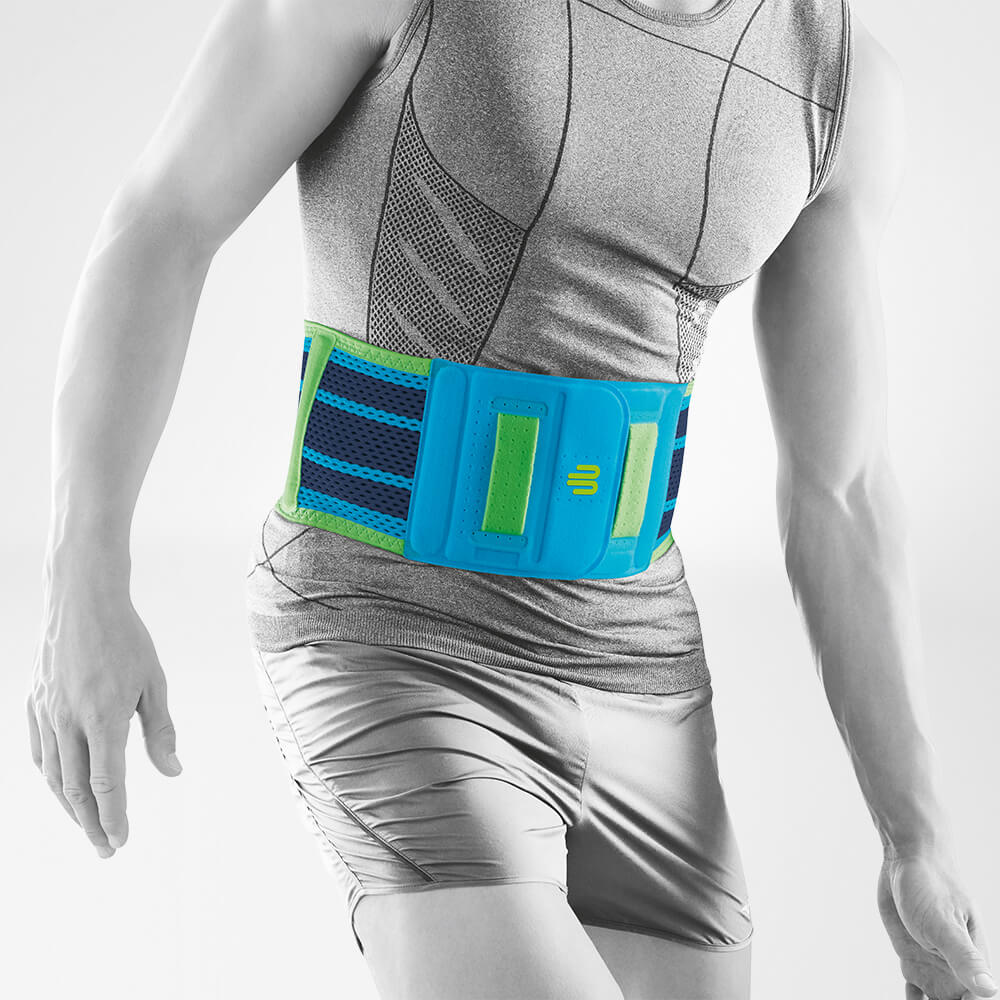

All Bauerfeind braces and supports are made in Germany and come backed by our 60-day satisfaction guarantee and one-year manufacturer’s warranty.
Why Snowboarders Wear Medical-Grade Support
Snowboarding demands continuous lower-body engagement to maintain edge control, navigate uneven terrain and execute smooth transitions while turning. Upper-body injuries, such as shoulder sprains or dislocations and wrist fractures, are also more common among snowboarders than skiers.
As intensity increases, so does muscle fatigue, leading to reduced joint control and stability. The benefits of braces and supports for snowboarders include:
- Enhancing joint stability for more confidence
- Improving joint awareness or proprioception during movement
- Limiting muscle fatigue by improving circulation
- Reducing joint pain and swelling
Additionally, medical-grade supports help limit the risk of injury and joint strain throughout each run. This increase in joint stability, proprioception and pain relief leads to more confidence riding throughout the season, whether you’re a recreational rider or snowboarding enthusiast.
How Our Compression Knit Improves Performance
Snowboarders are increasingly using orthopedic braces and supports to enhance their performance and recovery, partly due to the advantages of compression.
Bauerfeind’s patented flat-knit technology ensures that our snowboarding braces and supports deliver medical-grade compression in a breathable, lightweight and low-profile design. This compression stimulates muscles around the joint, enhances circulation and improves proprioception.
As a result, our high-quality braces provide greater joint stability and less muscle fatigue, enabling peak performance on the mountain.
Frequently Asked Questions:
What are the most common injuries in snowboarding?
Generally, inexperienced snowboarders have a higher rate of upper-body injuries, while experienced snowboarders have a higher rate of lower-body injuries.
Experienced riders are more likely to attempt twists, jumps and flips that lead to knee and ankle injuries. Inexperienced riders are more susceptible to falls, which lead to more head, shoulder and wrist injuries.
For some of the most common injuries, we recommend considering the bracing options below:
Knee ligament injuries: GenuTrain, GenuTrain S
Wrist injuries: ManuTrain, ManuLoc
AC joint injuries: OmoTrain
Ankle injuries: MalleoTrain, Sports Ankle Support
Do knee braces help with snowboarding?
Yes, medical-grade knee braces and supports improve joint stability, awareness and comfort while snowboarding.
Snowboarding places a continuous load on the knees due to its fixed stance and repeated flexion. Knee braces with medical-grade compression, such as the GenuTrain knee brace, improve proprioception to reduce the risk of injury and boost circulation to relieve joint pain and swelling. This results in less joint discomfort and muscle fatigue.
Which knee braces are best for snowboarders?
The best knee braces for snowboarders are supportive and comfortable without limiting mobility, such as Bauerfeind’s high-quality knee braces.
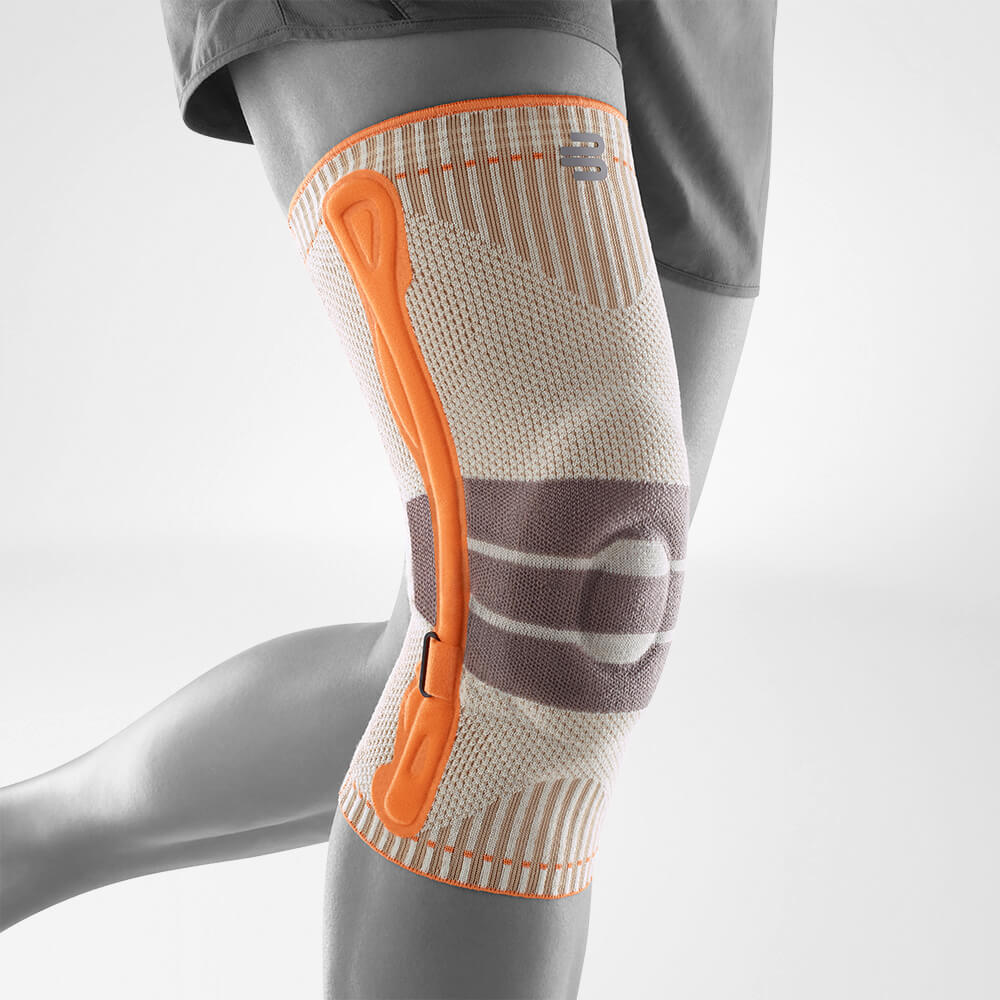
Some supports, like the Sports Knee Support, are designed for moderate stability during activity, while others, such as the GenuTrain S, provide advanced stability for post-injury recovery. Consider whether you need a knee support for injury prevention, joint instability or after a specific injury, and choose the best option based on those needs.
Can ankle braces be worn in snowboarding boots?
Yes, low-profile ankle braces and supports, such as the MalleoTrain and Sports Ankle Support, are designed to fit comfortably inside snowboarding boots.
Although snowboarding boots provide structural support, ankle fatigue and instability can still occur during long days and demanding runs on the slopes. Bauerfeind’s ankle braces and supports are anatomically designed for a precise fit that allows them to fit inside most types of performance footwear.
To ensure a comfortable fit, please use our size charts accordingly before purchase.
Are Bauerfeind’s snowboarding braces FSA/HSA eligible?
Yes, many of Bauerfeind’s snowboarding braces and supports are eligible for reimbursement through most FSAs (Flexible Spending Accounts) and HSAs (Health Savings Accounts). View our HSA/FSA-eligible products for more information.
Additionally, because FSA/HSA plans vary, we recommend contacting your employer or plan administrator to confirm eligibility and reimbursement before purchase.
This information is provided for general information purposes and should not be relied on as a substitute for medical advice, evaluation or care from a qualified and licensed health care provider. The information contained here is not to be considered a plan of care of physical therapy.